Discover the Basics of Tablet Press Machines
Tablet press machines play an important role in modern manufacturing. They are widely used in the pharmaceutical, nutraceutical, chemical, and food industries to produce tablets with consistent shape, size, and weight. As global demand for healthcare products continues to grow, advanced tablet manufacturing technology has become more important than ever.
These machines combine automation, precision engineering, and quality control to improve production efficiency. They help manufacturers maintain strict industry standards while reducing material waste and improving output consistency.
How Tablet Press Machines Work
A tablet press machine is designed to compress powdered or granulated materials into solid tablets. The process may seem simple, but it involves several carefully controlled stages.
Material Feeding
The prepared powder mixture enters the machine through a hopper. The feeding system distributes the material evenly into the die cavity.
Compression Process
Upper and lower punches apply pressure to the material inside the die. High compression force transforms loose powder into a compact tablet.
Tablet Ejection
Once compression is complete, the lower punch rises and pushes the finished tablet out of the die. The tablet is then collected for inspection and packaging.
Modern pharmaceutical equipment uses digital monitoring systems to ensure every tablet meets quality requirements.
Main Types of Tablet Press Machines
Different industries use different tablet compression machines depending on production needs.
Single Punch Tablet Press
A single punch machine is commonly used for research, product development, and small-scale production. It is simple to operate and suitable for limited manufacturing volumes.
Rotary Tablet Press
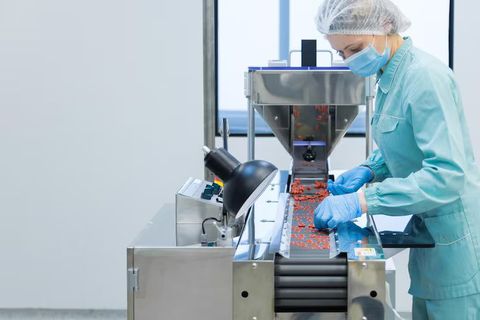
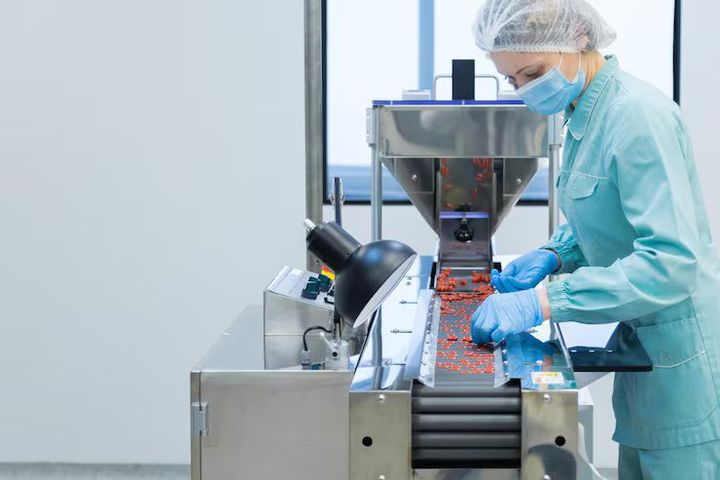
Rotary tablet press machines contain multiple punch stations that rotate continuously. This design allows manufacturers to produce thousands of tablets every hour, making it ideal for large-scale pharmaceutical production.
High-Speed Automatic Tablet Press
Advanced industrial automation has introduced high-speed tablet press machines equipped with computerized controls, real-time monitoring, and intelligent quality management systems.
Applications Across Industries
Tablet press machines are not limited to pharmaceutical manufacturing. Their versatility supports many industrial sectors.
Pharmaceutical Industry
The pharmaceutical sector relies heavily on tablet manufacturing technology for producing medicines with accurate dosage and uniform quality.
Nutraceutical Industry
Health supplements, vitamins, and herbal products are commonly manufactured using tablet compression systems.
Chemical Industry
Cleaning tablets, catalysts, and industrial compounds are often produced with specialized tablet press machines.
Food Industry
Confectionery products, candy tablets, and nutritional food supplements also benefit from precision tablet manufacturing.
Key Advantages of Tablet Press Machines
Modern manufacturing facilities choose advanced tablet press technology because of several important benefits.
Consistent Product Quality
Automated compression systems maintain uniform tablet weight, thickness, and hardness, reducing production errors.
Higher Production Efficiency
Rotary tablet press machines can produce large volumes with minimal downtime, improving overall operational performance.
Better Quality Control
Integrated sensors and digital inspection tools help detect variations before they become significant manufacturing issues.
Reduced Material Waste
Precise feeding and compression mechanisms optimize raw material usage and improve manufacturing sustainability.
Important Features to Consider
Selecting the right tablet press machine depends on production goals and technical requirements.
Compression Force
Higher compression capacity supports a wider range of materials and tablet formulations.
Automation Technology
Smart control panels and digital monitoring systems simplify operation and improve manufacturing accuracy.
Production Capacity
Machine output should match current and future production demands.
Maintenance Simplicity
Equipment designed for easy cleaning and maintenance helps reduce operational interruptions.
Latest Trends in Tablet Manufacturing Technology
The tablet manufacturing industry continues to evolve through innovation and automation.
Artificial intelligence and smart manufacturing systems are becoming more common in pharmaceutical equipment. Real-time data analysis allows operators to monitor production quality continuously.
Energy-efficient machinery is another growing trend. Many manufacturers are adopting sustainable production methods to reduce energy consumption and environmental impact.
Industry analysts expect the global pharmaceutical manufacturing equipment market to continue expanding as healthcare demand increases worldwide. Digital transformation and industrial automation will likely remain major drivers of future growth.
The Role of Quality Control
Quality assurance is one of the most critical aspects of tablet production. Even small variations in tablet weight or hardness can affect product performance.
Modern tablet press machines include advanced monitoring technologies that track compression force, tablet thickness, and production speed. Automated inspection systems improve reliability and help manufacturers meet strict international quality standards.
Why Tablet Press Machines Matter
Tablet press machines are a foundation of modern pharmaceutical and industrial manufacturing. Their ability to deliver precision, consistency, and high productivity makes them essential for producing reliable products across multiple industries.
As manufacturing technology continues to advance, tablet compression systems will become even smarter, faster, and more efficient. Businesses focused on quality control, automation, and sustainable production are likely to benefit the most from these innovations.